Memory, Truth, and Justice in Argentina: Five Decades of Struggle (1976–2026)
Culture, Educational innovation
With Ana María Careaga in attendance—a victim of state violence in Argentina and the daughter of one of the Mothers of the Plaza de Mayo—the event aimed to examine the role of memory and justice, 50 years after the Argentine coup d’état of March 24, 1976.
This half-day event was part of a series of commemorations held internationally around March 2026, which included the screening of the documentary *Norita* about the life of Nora Cortiñas, an iconic figure of the Mothers of the Plaza de Mayo and the human rights movement.
As Argentina goes through a dark period marked by a rise in Holocaust denial, fueled by the rhetoric of the current neoliberal president, Javier Milei, the commemorations of the 50th anniversary of the coup drew large crowds of protesters around the world, particularly in Buenos Aires. The presence of younger generations, particularly noticeable on this occasion, was not limited to Argentina, as first- and third-year students in the Spanish LLCER bachelor’s program at the University of Grenoble turned out in large numbers.
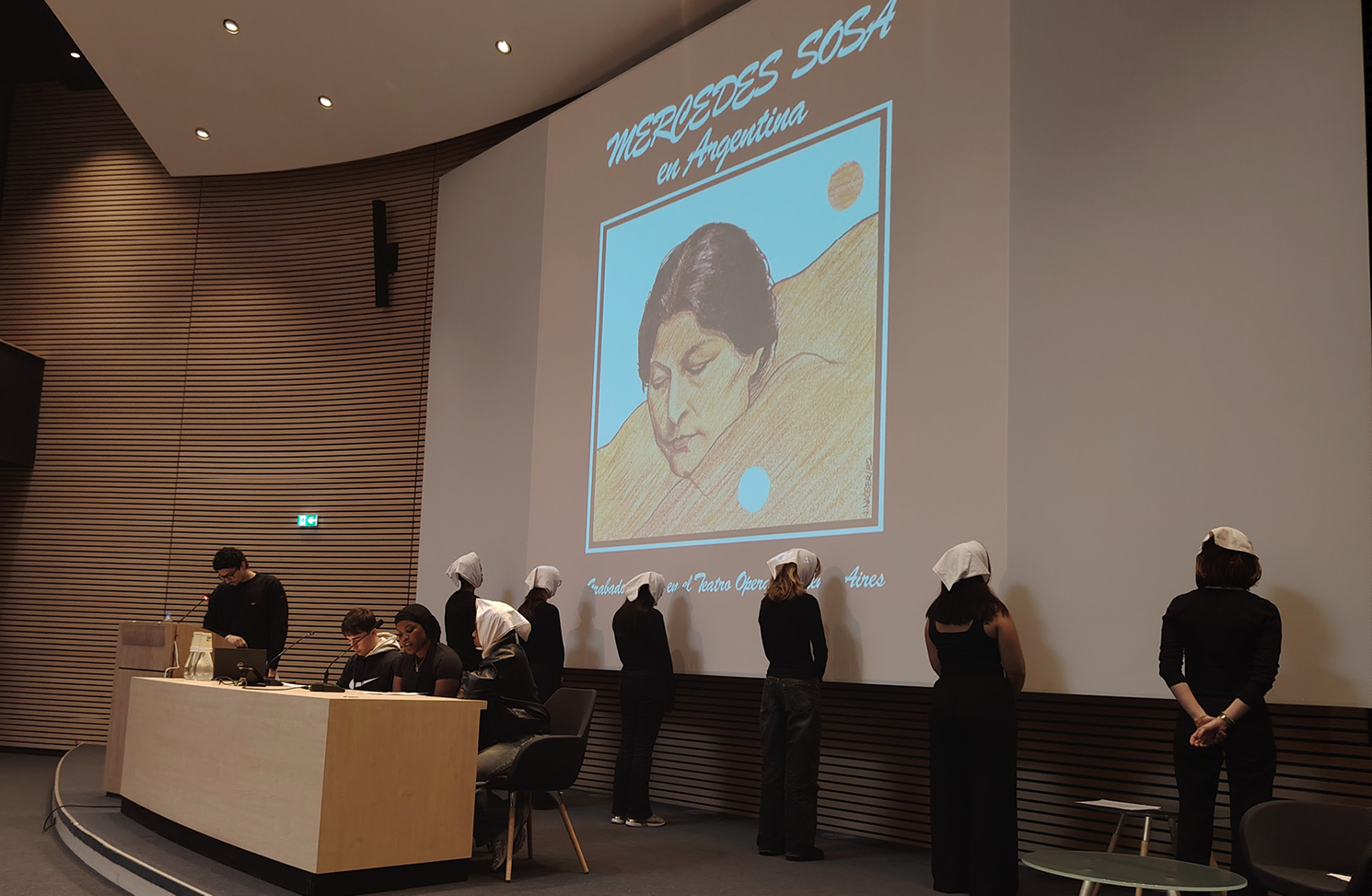
Through dramatized readings of socially conscious texts and an artistic rendition of the song “La cigarra,” originally performed by the great Mercedes Sosa, the undergraduate students brought the victims of the dictatorship back to life. Their commitment to social causes moved the witnesses in attendance. Ana María Careaga, along with other victims of Argentina’s authoritarian violence, spent a few hours sharing their memories to shed light on the current demands for justice and truth. This exchange made the past more tangible for the students. It is no longer limited to theoretical knowledge acquired through various undergraduate courses, but takes shape through the human connection established between the witnesses and the students.
The students also participated in a roundtable discussion with various witnesses to this historic period, exploring the enduring nature of dictatorial violence in other forms. In particular, they spoke with Ana María Careaga about the non-prescriptibility of crimes against humanity, the evolution of impunity and trials, as well as the challenges of memory.
This half-day event brought together representatives of Grenoble’s civil society, researchers from various disciplines, young students, and figures from Argentina’s recent history. It drew a large audience, both from within and outside the university, which fostered meaningful exchanges and helped raise the university’s profile by showcasing students (through a documentary screening, artistic performances, discussions, etc.) and academic programs.
The interest generated by this event and the enthusiastic response from the student audience suggest that the experience should be repeated with the same goal in mind: opening the university to society and passing on the lessons of the past.
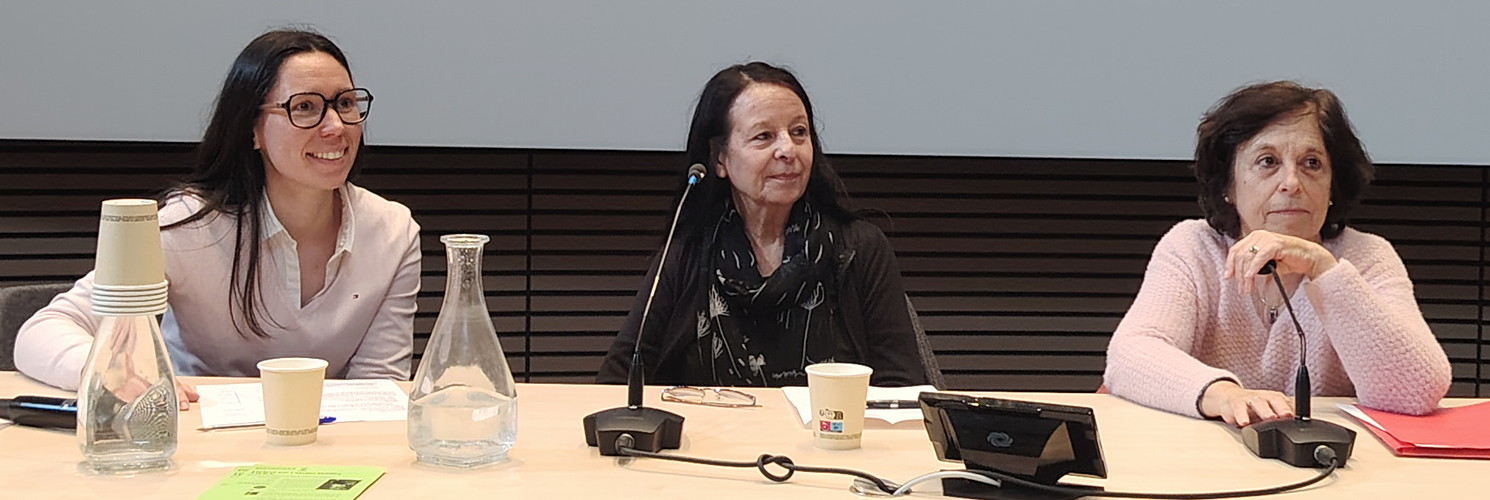
From left to right: Emilie Leroux, Ana María Careaga, and Silvia Rey Troncoso
Share linkCopyCopyClose modal windowShare this page URLI recommend this page:Available at this address :The page will then be accessible from your "My favorites" menu.Stop videoPlay videoMute soundPlay soundChat: Got a question?Chatbot Robo FabricaMatomo visitor statisticsX (formerly Twitter)

 Societies, Cultures and Modern Languages