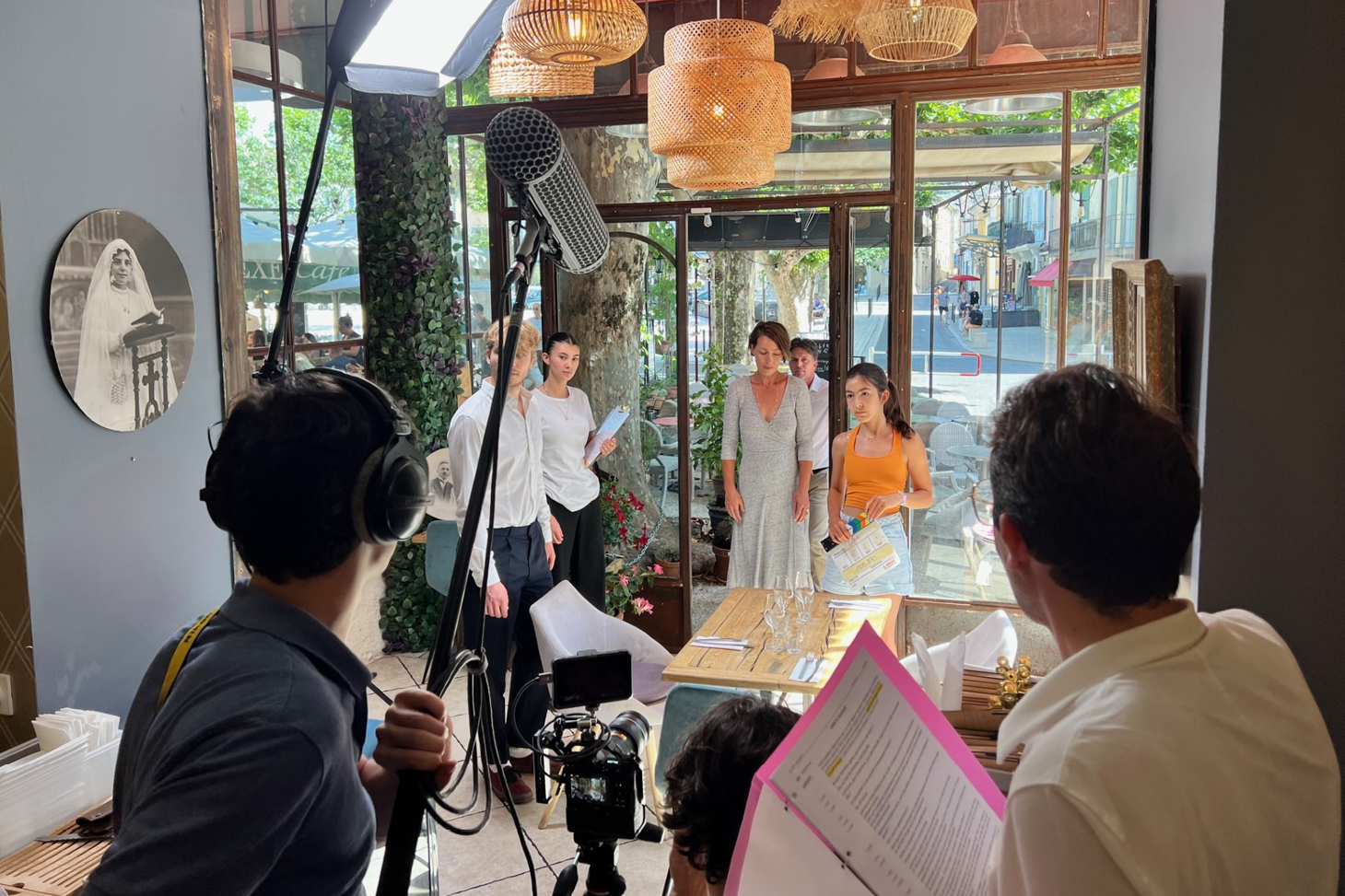
The CoMiSSIon project (Conception d'une Mini-Série Spécialisation Interprétation) is in line with the pedagogical innovation approach encouraged by the UGA, and extends the work carried out in translation within the LEA master's course Specialized Multilingual Translation (TSM) in the field of project-based teaching mobilizing innovative pedagogical devices.
Presentation
The CoMiSSIon project extends this work to the field of interpreting, which is one of the skills included in the European framework of competencies associated with the EMT (European Master's in Translation) label, a "quality label2 " for training courses which the TSM course has held since 20093. As such, training in interpretation is an integral part of the TSM program, in both M1 and M2. It aims to
prepare students for liaison interpreting, which constitutes the interpreting framework in which TSM graduates will evolve, responding to market needs. In terms of professionalization and professional integration, the interpreting assignments of the junior company attached to the TSM course (Atlas) bear witness to these needs, as do the interpreting assignments entrusted to graduates.
The lack of audio-visual teaching aids suitable for teaching liaison interpreting and for practical training in this type of interpreting motivated us to undertake this project. While there is an abundance of audio-visual material for consecutive and simultaneous interpreting that can be easily adapted to teaching conditions, it is difficult to find suitable material for use in liaison interpreting classes.
Objectives
Against this backdrop, the CoMiSSIon project aims to
design audio-visual material to enable students to be trained in liaison interpreting via real-life situations in specialized fields of intervention (e.g. commercial, technical, legal, environmental). The audio-visual material currently available is not adapted to these fields, and therefore remains to be developed. What's more, while the authentic project approach anchored in real-life situations is now well established in the field of translation, it has yet to be deployed in the field of interpreting. The CoMiSSIon project is part of this dual approach.
Application
The CoMiSSIon project will be operated in a
M1 liaison interpreting course (English/French), which consists of six two-hour sessions, each of which is face-to-face, and includes
theoretical content, application exercises with the aim of creating a business mini-seriesThis is a field in which graduates are likely to work. Every year, some twenty students enroll in the liaison interpreting course.
Transversality
The scenario of the mini-series revolves around a young American woman sent by her employer to diagnose the French companies recently acquired by the American company, as well as their products. During her business trip to France, the young woman, in charge of external relations, encounters a number of professional situations involving exchanges with a variety of interlocutors.
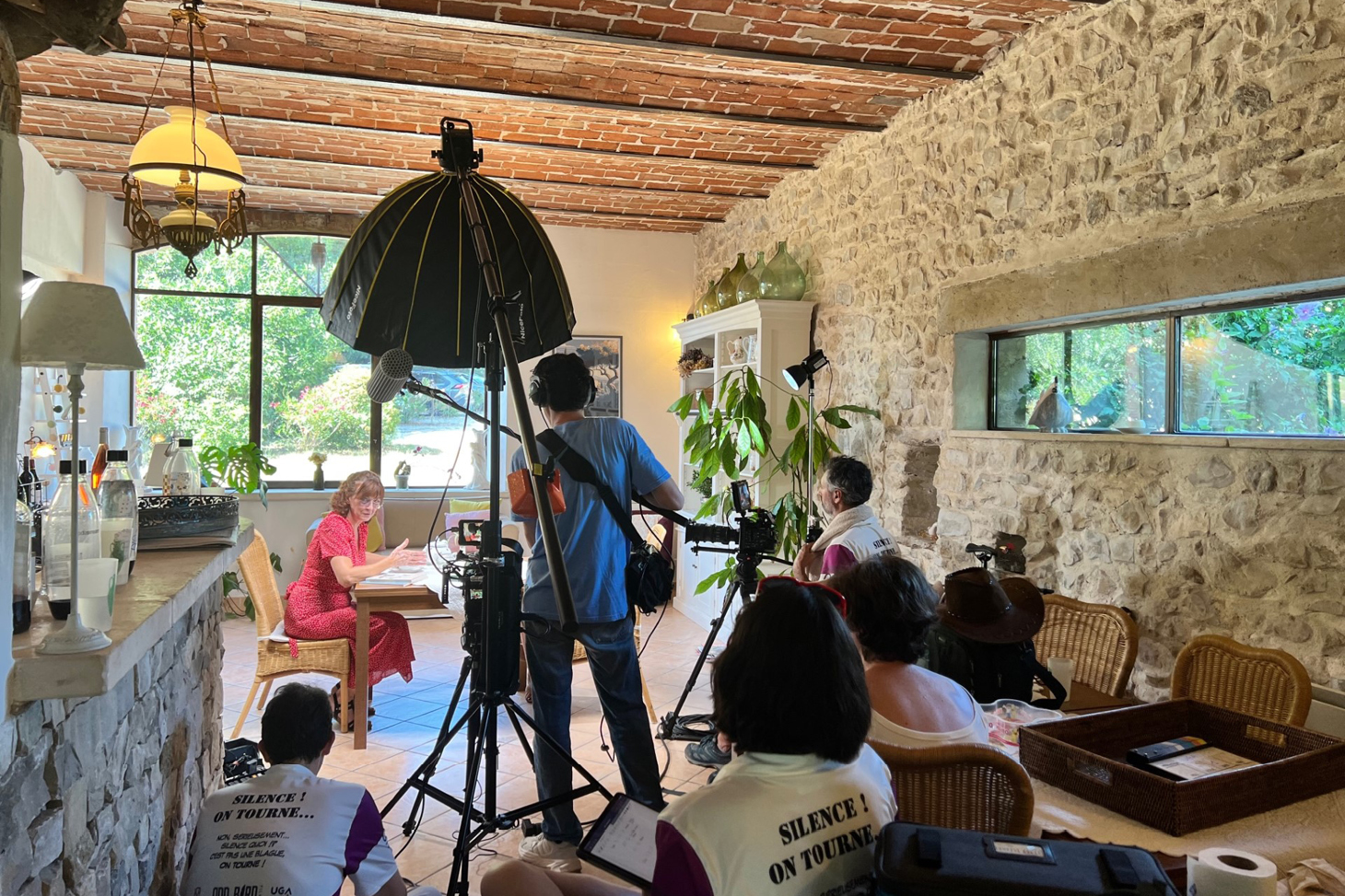
Actors will be needed to shoot the series. As such, a
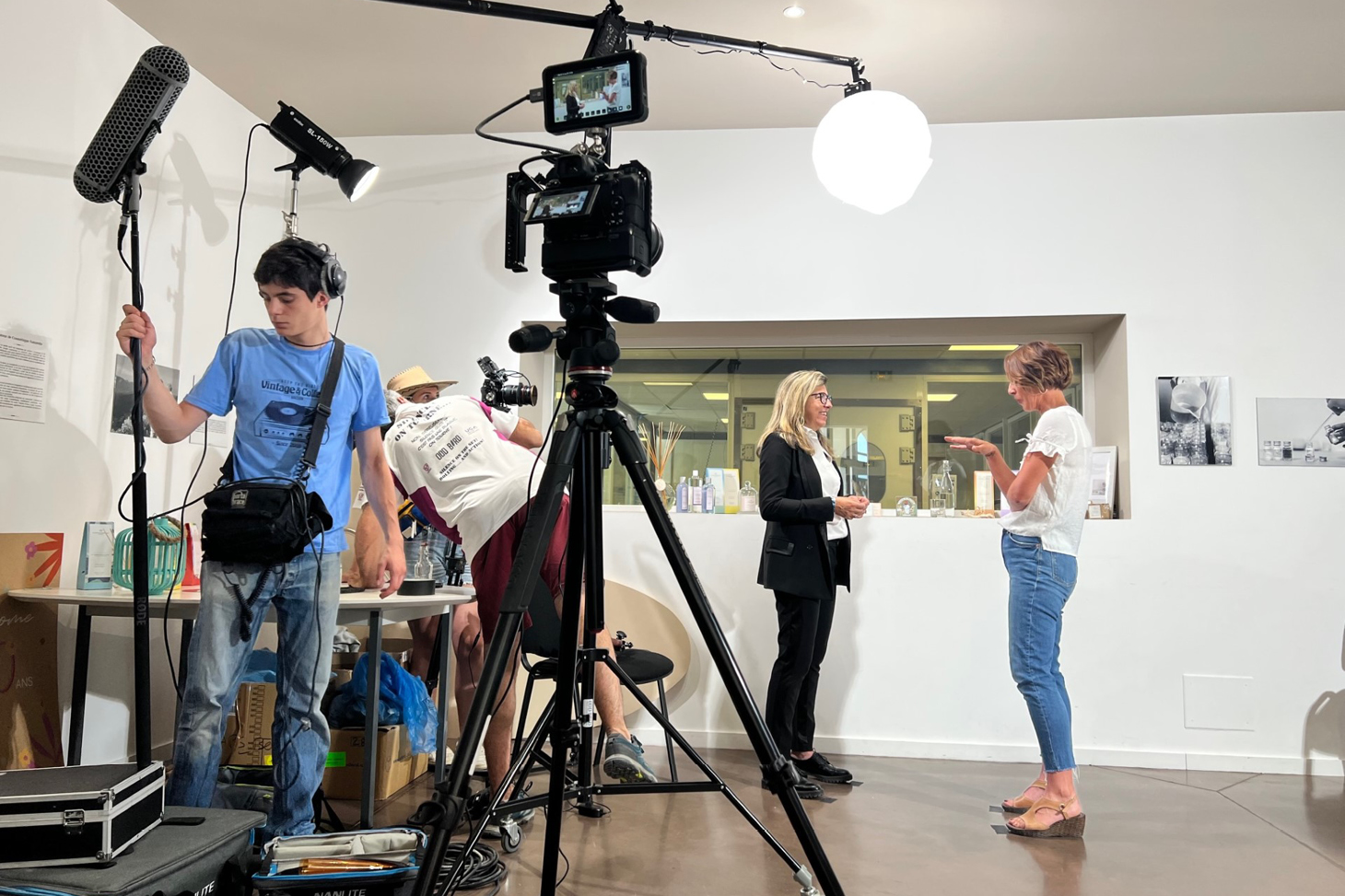
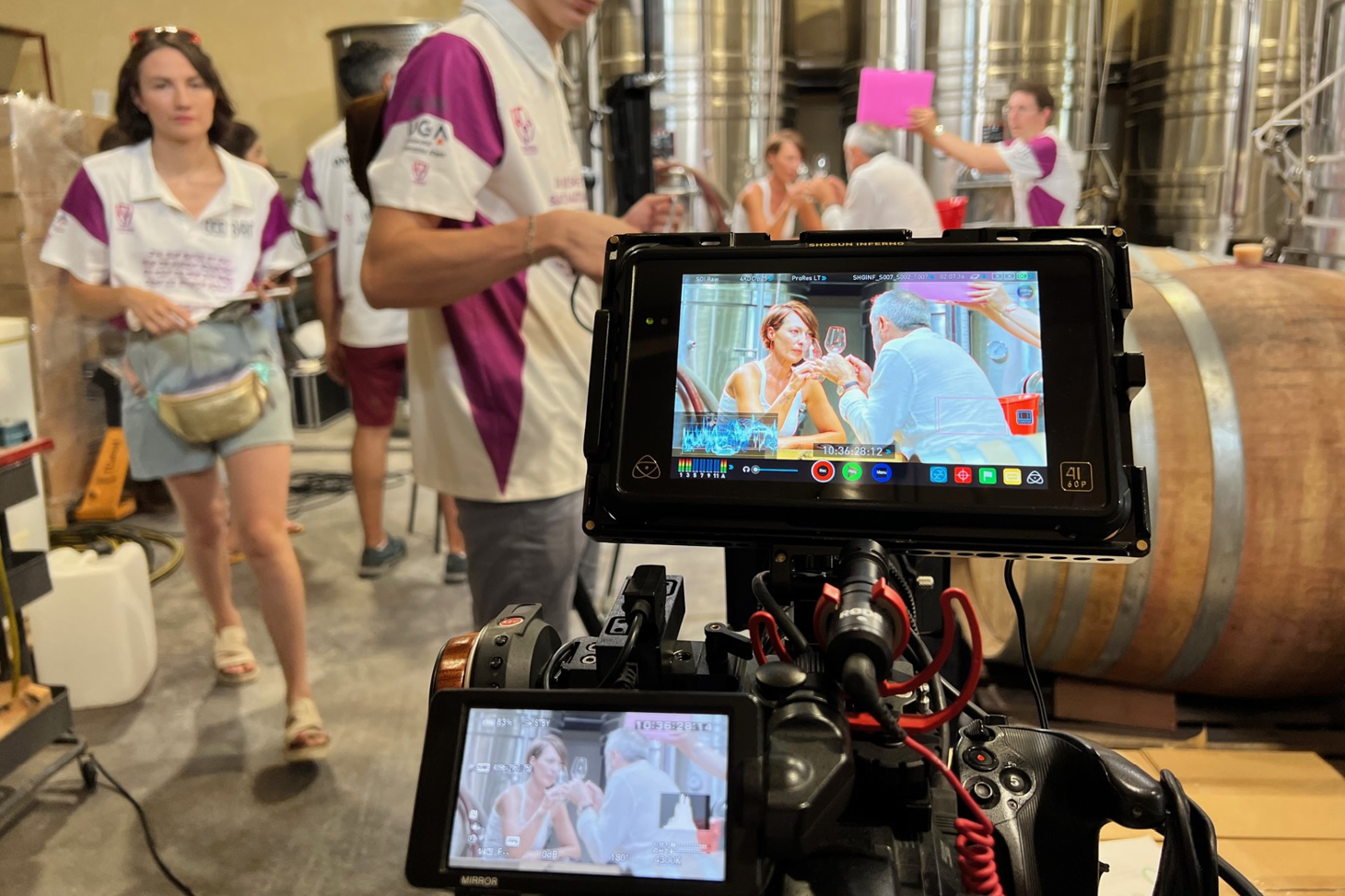
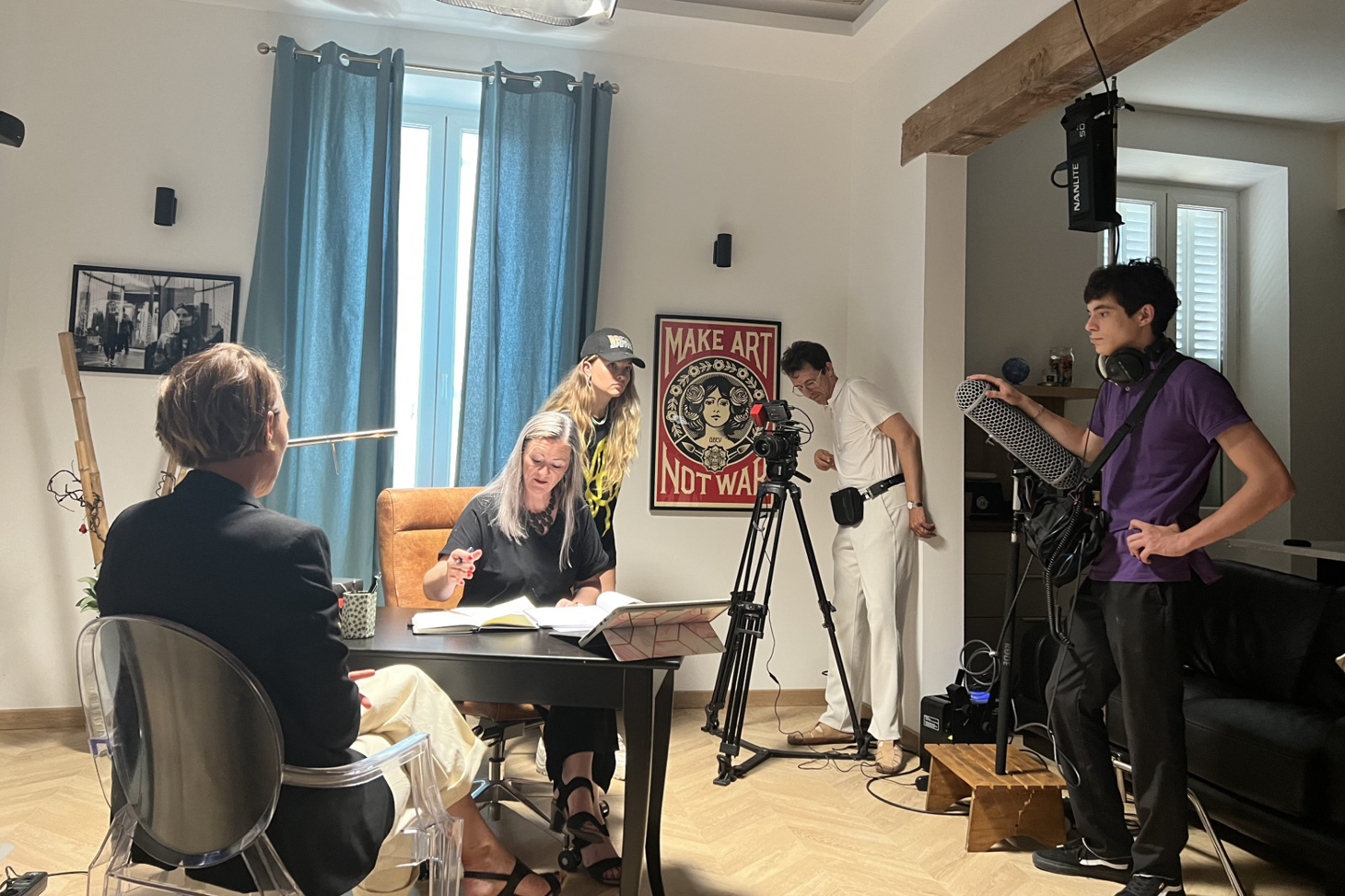
cooperation has been set up with the performing arts teaching teams at UFR LLASIC, to involve students in the project. This initiative has the potential to create interdisciplinary links between different components of the UGA, enabling students from another UFR to benefit from this project and gain professional experience related to their studies. Moreover, the interdisciplinary nature of this project is an invaluable element in forging links between the two UFRs within the same UGA "Arts, letters, languages" domain. The project will also involve professionals from the socio-economic world.

 Societies, Cultures and Modern Languages