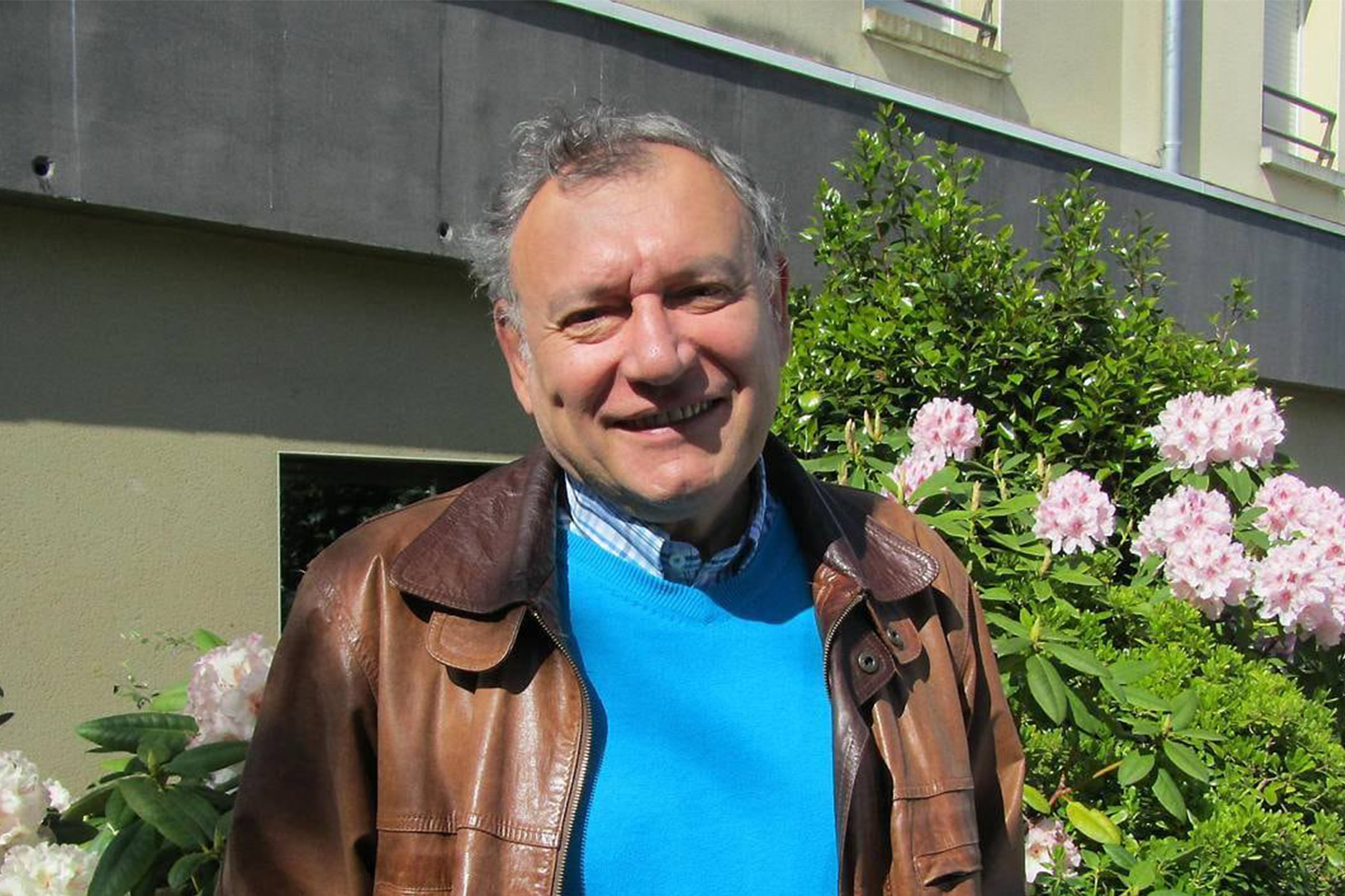
Workshop-meeting with Argentine writer Néstor Ponce
Poetry as a means of giving voice to the departed
Culture
This creative writing workshop in Spanish focused on the act of writing as a form of action, by shining a light on those who have disappeared. Writing is already an act of remembrance for those who can no longer denounce the violence they have suffered.
In Latin America, many authoritarian states have used violence to suppress their opponents. Among the various forms of violence employed, forced disappearance was a method widely used by the Argentine military junta between 1976 and 1983. It is this Argentine case that writer Néstor Ponce chooses to highlight in his collection Desapariencia no engaña. With the support and guidance of N. Ponce, the students who participated in this workshop were able to produce their own literary texts.
The initial aim of this workshop was to teach Hispanic studies students about Argentine history. This history, which they had studied in various courses, was conveyed to them by a witness, thus making their knowledge more concrete.
Beyond this educational aspect, the students were able to experiment with literary writing while benefiting from the experience of a writer. This allowed them to demystify writing and literature by appropriating them. In addition, the online publication of their creations is extremely rewarding and allows them to keep a record of their work.
Similarly, the collaboration between undergraduate and master's students has encouraged exchanges between different disciplines. This has allowed the "older" students to pass on not only their knowledge but also their experiences. The co-presence of French-speaking and Spanish-speaking students has created a highly enriching linguistic environment for these learners. The demystification of literature and creative writing was thus accompanied by and accompanied oral practice, despite the embarrassment that learners may feel when speaking. The friendly atmosphere of the workshop helped to alleviate the anxieties present during the lessons (mispronunciation, etc.).
The students created postcards inspired by the traumatic events experienced by the disappeared in order to "give them a voice." These can be viewed at: https://memoriasalpinas.blogspot.com/p/memorias-alpinas-postales-amigo-mio.html The issues at stake are as much artistic and educational as they are ethical. The students reflected on the fragility of democracies and the use of violence by the state, as well as on historical memory and the importance of passing on history and individual stories. They also explored the role of the writer in society.
Share linkCopyCopyClose modal windowShare this page URLI recommend this page:Available at this address :The page will then be accessible from your "My favorites" menu.Stop videoPlay videoMute soundPlay soundChat: Got a question?Chatbot Robo FabricaMatomo visitor statisticsX (formerly Twitter)

 Societies, Cultures and Modern Languages