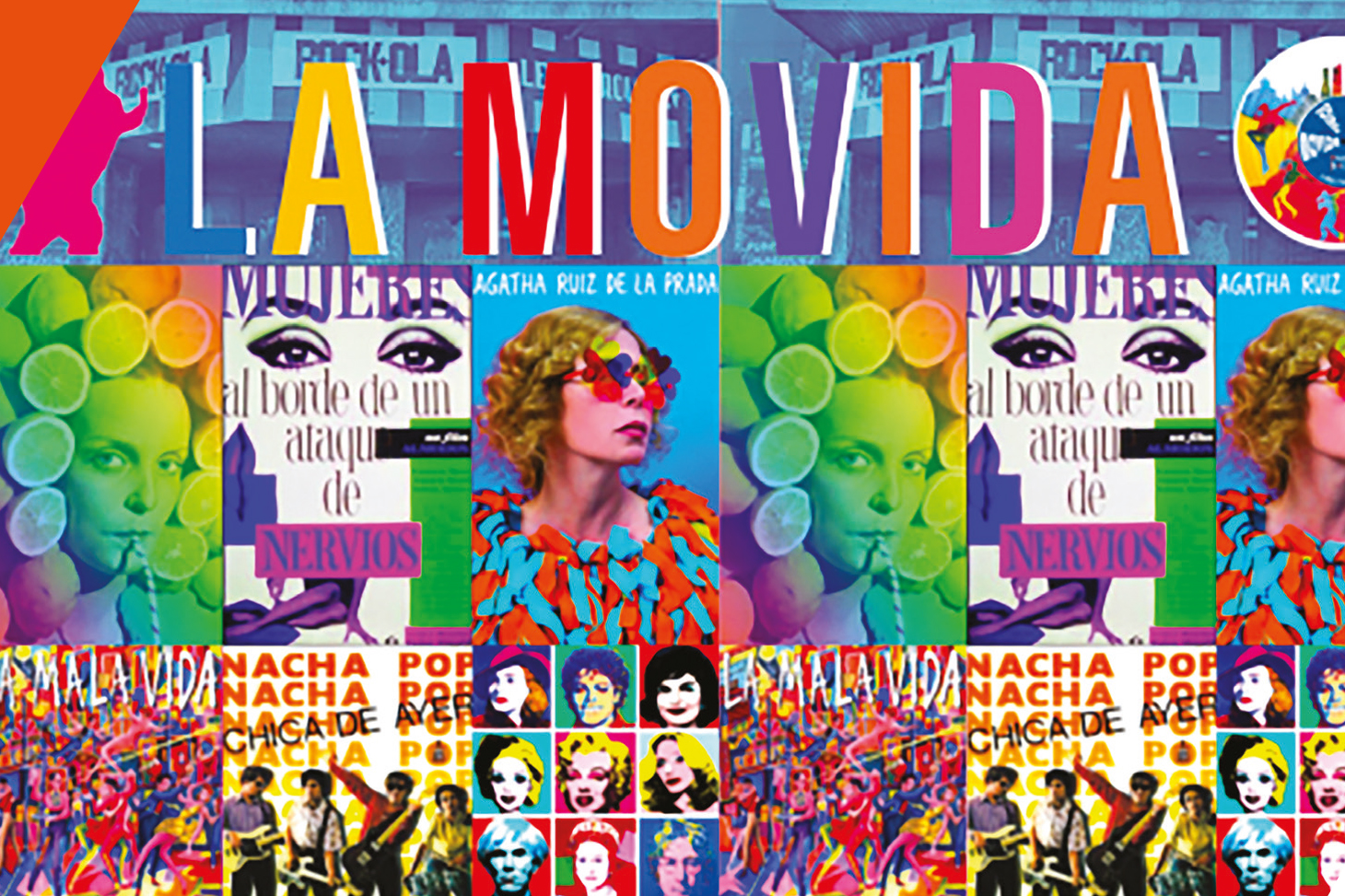
This year's theme: Años 1970 y 1980. España en las artes y la literatura
Culture, Research
The project was born out of a link-up between the "Regards croisés" and "Méthodologie de la discipline" courses in L3 LLCER Espagnol and the double Licence Anglais-Espagnol. The aim was to put students in a position to play an active role in their own research - from the creation of a corpus of documents based on a given subject to its written and oral formalization - to prepare them for the two most popular Master's courses for our L3 LLCER students, namely the Master MEEF and the Master LLCER.
The work was carried out individually by each student, who had to choose his or her study theme from a list provided and prepared by the two teachers. Each week, during the first semester of the 2024-2025 academic year, feedback was given on the progress of the work: problematization, choice and presentation of documents, linking of documents to each other, bibliographical references, writing standards, and so on. A number of classes were also held jointly to review progress across the two TD courses and practice oral communication skills.
The project is divided into two tasks. The first is a written production: putting together a CAPES-type dossier (3 documents grouped under a theme) and processing it in around 15 pages (introduction, separate presentations of the documents, summary presentation of the documents, problematization of the dossier, analysis of the dossier based on the set problem). The second task was an oral production. Each participant gave an oral presentation of his or her research work at the Journée des Jeunes Hispanistes (JJH), which was organized under the conditions of a university study day: communication subject to a time limit (10 min per person), organization in the form of round tables grouped by theme and led by moderators, time for exchanges with the audience.
Presentation
Discovering research and the possible expectations of a research dissertation
By combining three courses from different EU blocks, students were able to gain an initial insight into the day-to-day work of a humanities researcher. More specifically, in the course of their ongoing work, the students were able to experience for themselves the prerequisites for specialization at the end of L3 and for research: the need to combine the methodologies acquired throughout their university career, rigorous work at every stage of the project, reliability of sources to produce quality work, curiosity and determination despite the inevitable moments of doubt and stress, in-depth analysis, argumentation in the service of a demonstration. This may well have sparked a few vocations, as some of the students realized that they could consider a Research Master's degree as a result of this project.
Another evaluation method: project-based evaluation
To successfully complete the written (CAPES-type dossier) and oral (JHH) parts of the project requires a cross-disciplinary approach in terms of UE blocks, content and assessment. That's why, after agreeing on the cross-disciplinary and specific assessment criteria for the written and oral components, the students' work was assessed by the 2 teachers, using the principle of double correction for the competitions.
This approach to assessment enabled students to understand that the aim of the Licence is to prepare them for complex tasks in terms of skills. It also gave a new meaning to assessment: measuring the ability to mobilize a range of skills in the most real-life situation possible.
Pride of accomplishment
After 13 weeks of intensive work, the students were very proud to have completed this ambitious project, and to have overcome their initial doubts and apprehensions at the start of the semester about their ability to deliver such a demanding performance. For many of them, it was their first public speaking engagement on a topic of their own choosing. This initiative was therefore an important first step in their future careers, as they measured their ability to overcome their shyness, push back their limits and overcome methodological and linguistic problems to deliver quality work.
Share linkCopyCopyClose modal windowShare this page URLI recommend this page:Available at this address :The page will then be accessible from your "My favorites" menu.Stop videoPlay videoMute soundPlay soundChat: Got a question?Chatbot Robo FabricaMatomo visitor statisticsX (formerly Twitter)

 Societies, Cultures and Modern Languages